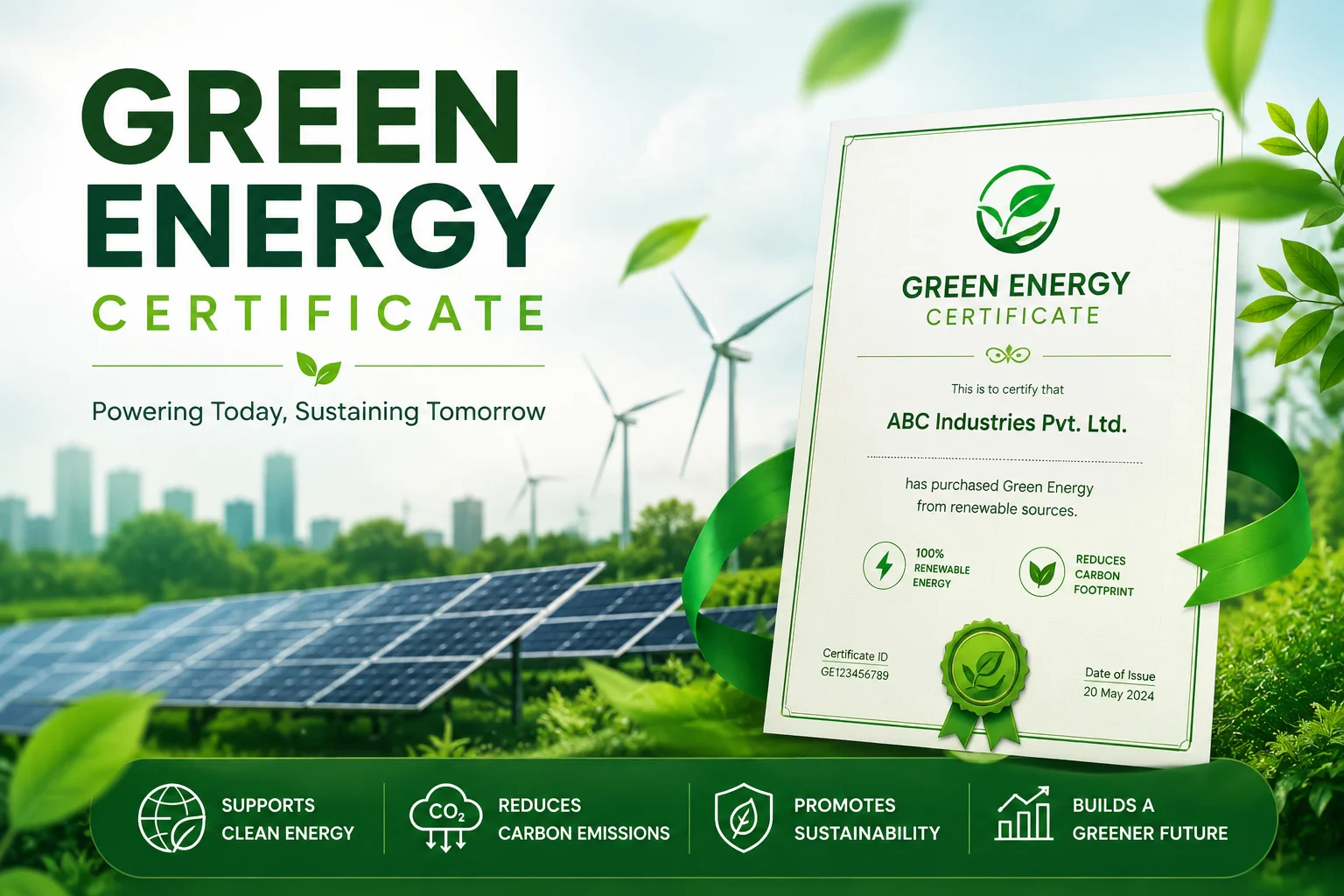
Green Energy Certificate: The Complete 2026 Guide to Renewable Energy Credits
What a green energy certificate is, how it works, what it costs, and why it matters for businesses going clean.
A green energy certificate is a tradable digital document proving that one megawatt-hour (MWh) of electricity was produced from a renewable source such as solar, wind, hydro, or biomass. Each certificate represents the clean, environmental value of that power. When you buy and retire one, you can credibly claim your electricity use is renewable. Often called a Renewable Energy Certificate (REC), Guarantee of Origin (GO), or green tag, it is the global accounting tool that lets homes, businesses, and governments verify and report renewable energy use without rewiring the grid.
A green energy certificate is proof that 1 MWh of renewable electricity was generated and added to the grid. It separates the “green attribute” from the physical power, so it can be bought, sold, and counted toward sustainability goals. One certificate = one MWh. Buy it, retire it, and the renewable claim is yours.
What Is a Green Energy Certificate?
Electricity from a wind farm and electricity from a coal plant are physically identical once they enter the grid. There is no way to “tag” the green electrons. So how does a company prove it actually used renewable power? The answer is the green energy certificate.
When a renewable generator produces electricity, two things are created: the physical energy (the kilowatt-hours that flow to the grid) and the environmental attribute (the proof it was clean). The certificate captures that second part. It records the source, the generation date, the location, and a unique serial number so no one can count the same megawatt-hour twice.
This separation is powerful. A factory in Lahore can keep drawing power from the local grid while purchasing certificates tied to a solar project hundreds of kilometres away, and still report 100% renewable electricity. The grid stays the same; the accounting changes.
Green Energy Certificate vs. Renewable Energy Certificate (REC)
The terms overlap heavily. In the United States, the standard instrument is the Renewable Energy Certificate (REC). In Europe, the equivalent is the Guarantee of Origin (GO). In India it is the REC traded on power exchanges, and across many markets the generic phrase “green energy certificate” covers all of them. They share the same core idea: one certificate equals one MWh of verified renewable electricity.
How Does a Green Energy Certificate Work?
The lifecycle of a certificate is straightforward once you break it into steps. Here is how a single certificate moves from a wind turbine to a corporate sustainability report.
- Generation: A renewable plant produces 1 MWh of electricity and feeds it into the grid.
- Issuance: A tracking registry issues one certificate with a unique ID, the energy source, and the generation date.
- Trading: The certificate can be sold separately (“unbundled”) or together with the electricity (“bundled”).
- Purchase: A business, utility, or individual buys the certificate to back their renewable claim.
- Retirement: The owner “retires” it in the registry. Once retired, it cannot be resold or double-counted.
- Reporting: The retired certificate becomes the audit-grade proof used in ESG and carbon reports.
Types of Green Energy Certificates Around the World
Different regions run different schemes, but they all answer the same question. The table below compares the major certificate systems used in 2026.
| Certificate Type | Region | Unit | Best Known For |
|---|---|---|---|
| REC (Renewable Energy Certificate) | United States, Canada, India | 1 MWh | The global benchmark for voluntary green claims |
| GO (Guarantee of Origin) | European Union, UK, EFTA | 1 MWh | Standardised tracking across 30+ countries |
| I-REC (International REC) | Asia, Africa, Latin America | 1 MWh | Bringing reliable tracking to emerging markets |
| LGC (Large-scale Generation Certificate) | Australia | 1 MWh | Backing the national Renewable Energy Target |
| TIGR / GEC | Global / China | 1 MWh | Voluntary corporate sourcing at scale |
How Much Does a Green Energy Certificate Cost in 2026?
Pricing depends on the source of energy, the certificate vintage (year of generation), the region, and demand. Solar and wind certificates are usually the most affordable, while certificates tied to newer or location-specific projects carry a premium. The indicative ranges below reflect voluntary-market pricing in 2026.
For a typical small business using around 100 MWh of electricity per year, an all-renewable claim using national certificates can cost roughly $100–$800 annually — a small fraction of the total power bill. That affordability is exactly why certificates have become the most popular entry point into corporate clean-energy commitments.
Benefits of Green Energy Certificates
Certificates are not just paperwork — they unlock real commercial, environmental, and reputational value.
Business Benefits
- Credible green claims: Report renewable electricity use that stands up to third-party audits and frameworks like RE100, CDP, and the GHG Protocol.
- Flexible and affordable: Far cheaper and faster than installing on-site solar, with no construction or maintenance.
- Investor appeal: Strengthens ESG scores and attracts sustainability-focused capital and partners.
- Customer trust: Lets brands market verified clean-energy use to increasingly eco-conscious buyers.
- Supply-chain compliance: Meets renewable requirements set by larger corporate clients.
Environmental Benefits
- Drives new renewables: Demand for certificates sends a price signal that helps fund new solar and wind projects.
- Lowers grid emissions: Supports the shift away from fossil-fuel generation over time.
- Transparent tracking: Registries prevent double-counting and greenwashing through public records.
Who Should Buy Green Energy Certificates?
Certificates suit anyone who wants verified renewable electricity without changing their physical power supply. The most common buyers in 2026 include:
- Corporations meeting RE100 or net-zero commitments.
- Manufacturers and factories needing renewable proof for export markets and supply chains.
- Property developers seeking green-building certifications such as LEED or EDGE.
- Data centres and tech firms with high electricity loads and public climate pledges.
- Utilities meeting Renewable Portfolio Standard (RPS) obligations.
- Individuals who want their household electricity matched with clean energy.
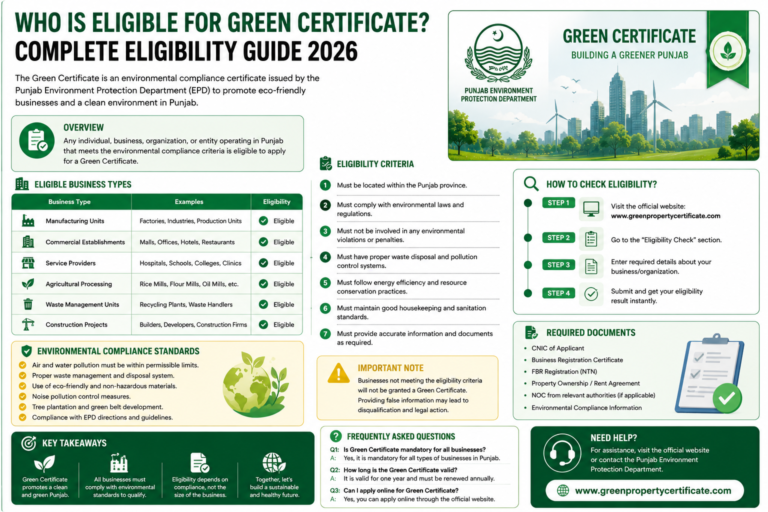
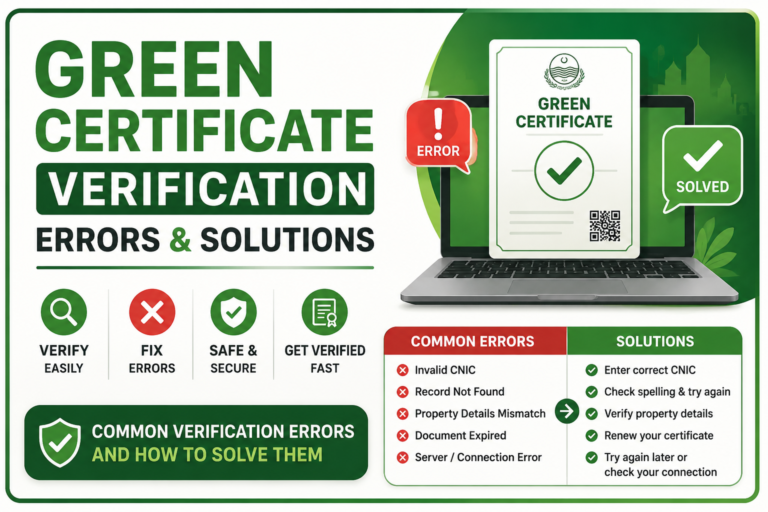
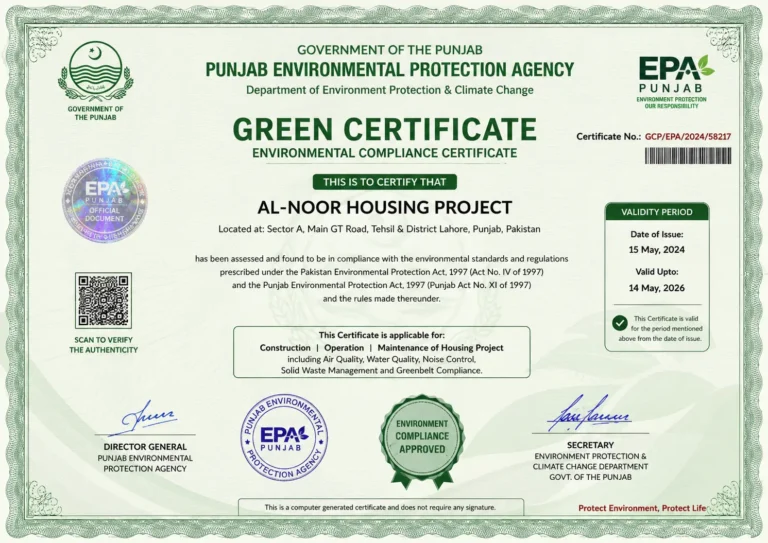
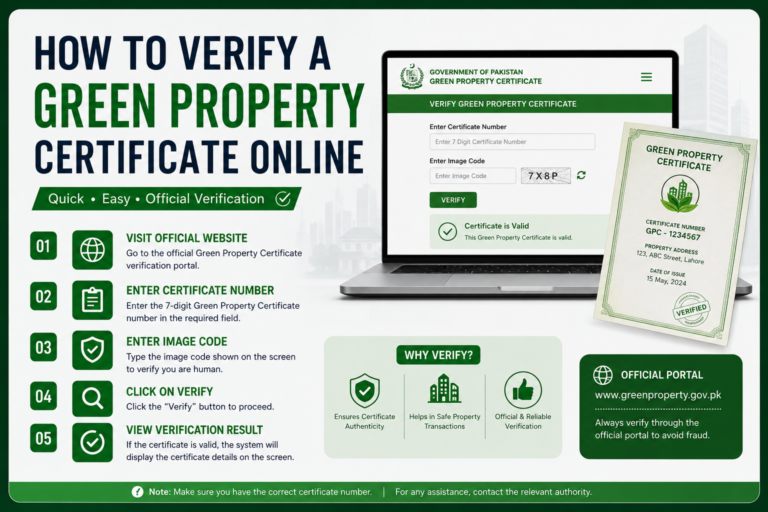
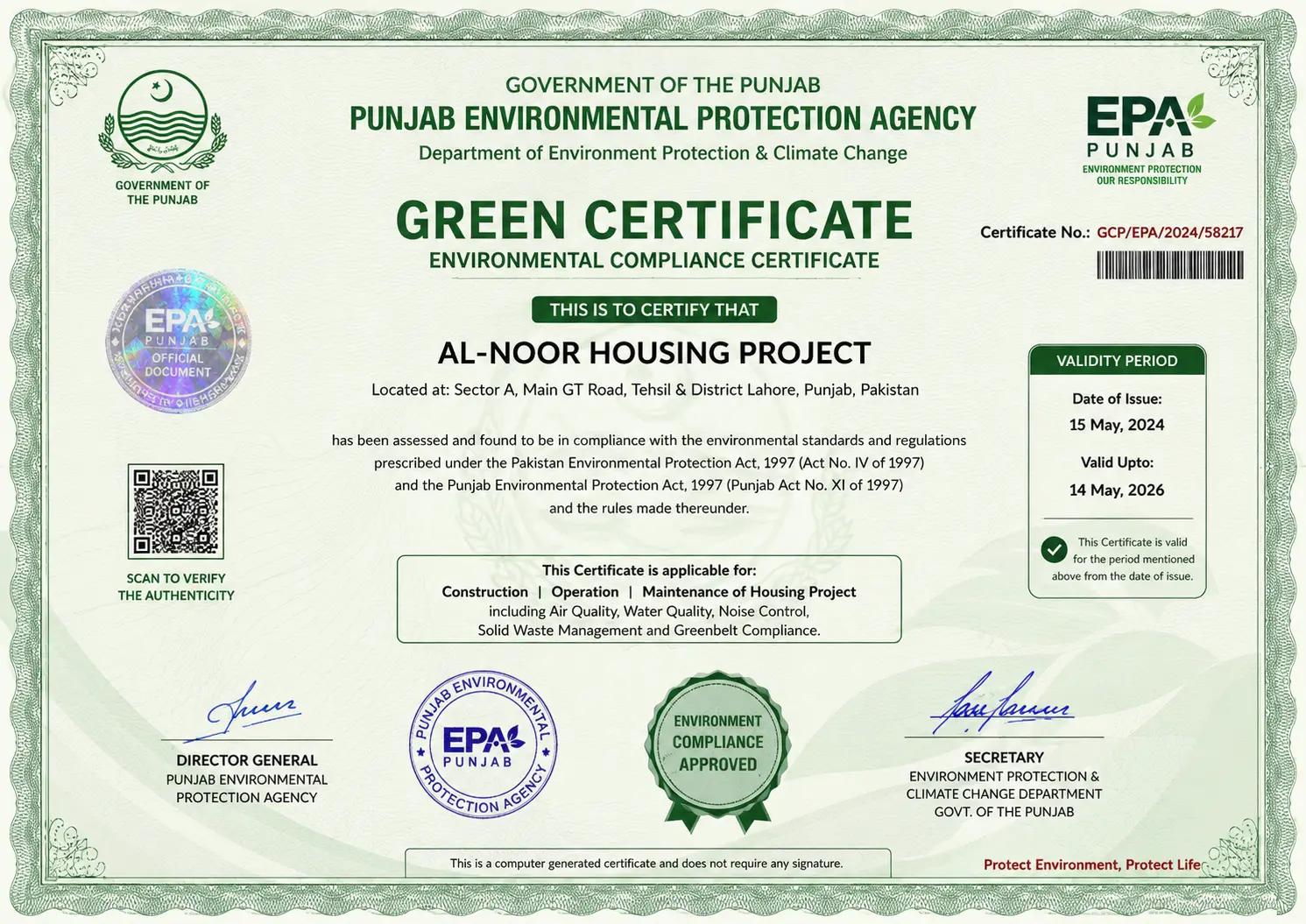
If your organisation is also navigating environmental compliance and permits, it helps to understand the full landscape of green certificate requirements before committing to a strategy.
How to Buy a Green Energy Certificate: Step by Step
- Measure your usage: Calculate your annual electricity consumption in MWh from your utility bills.
- Choose a source: Decide whether you prefer wind, solar, hydro, or a mix — and a national or local project.
- Pick a provider: Buy from a certified broker, a tracking registry, or directly from a renewable generator.
- Verify the registry: Confirm the certificates are issued by a recognised body to ensure they are genuine and unique.
- Retire the certificates: Have them officially retired in your name so the claim is locked to you.
- Document everything: Keep the retirement records for your sustainability and audit reports.
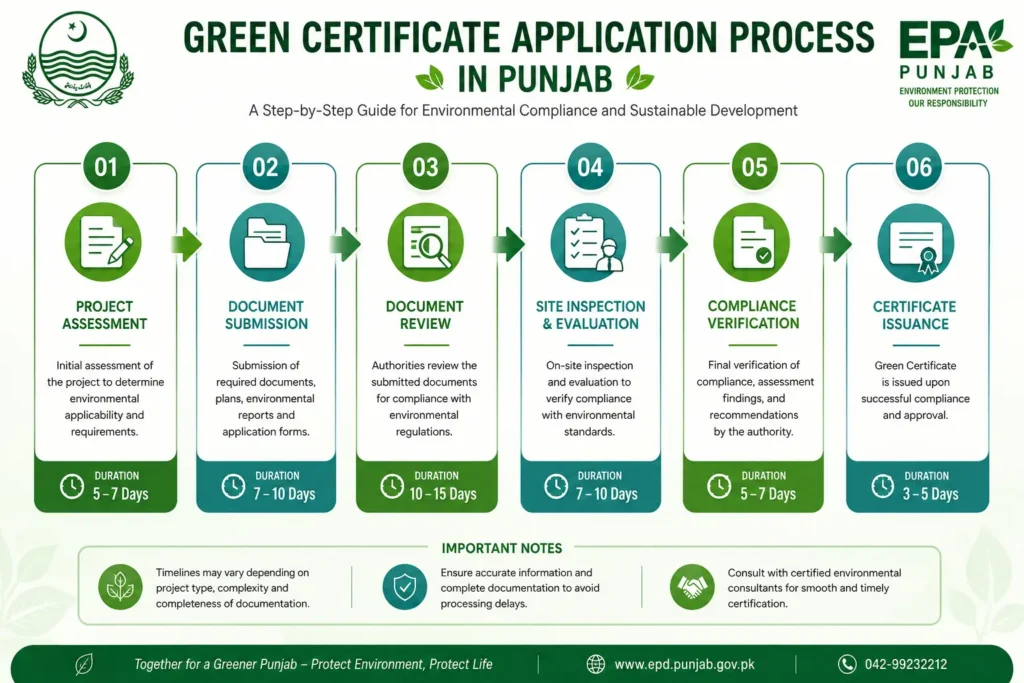
Many businesses pair certificate purchases with broader compliance work. If you’re starting a clean-energy or property-compliance journey, our guide on how to apply for a green certificate walks through the documentation and approval process in detail.
Common Mistakes to Avoid
- Buying but not retiring: The most common error. An unretired certificate gives you no valid claim.
- Mismatched vintage: Using old certificates for a current-year report can fail verification.
- Double-counting: Claiming both the certificate and the underlying electricity from the same source.
- Unverified sources: Buying from registries that lack credible tracking, risking greenwashing accusations.
- Ignoring additionality: For maximum impact, support certificates that genuinely drive new renewable capacity.
Key Takeaways
- A green energy certificate proves that 1 MWh of electricity came from a renewable source.
- It separates the “green value” from the physical power so it can be bought, sold, and counted.
- A certificate only delivers a valid claim once it is officially retired in a registry.
- RECs, Guarantees of Origin, and I-RECs are regional versions of the same core instrument.
- Prices typically range from $1 to $60+ per MWh depending on source, region, and vintage.
- Always match certificate vintage to your reporting year to pass audits.
Frequently Asked Questions
What is a green energy certificate in simple terms?
What is the difference between a green energy certificate and a carbon credit?
How much does one green energy certificate cost?
Do I still pay my normal electricity bill if I buy certificates?
Are green energy certificates the same as RECs?
Can individuals buy green energy certificates?
How do certificates prevent fraud and double-counting?
Do green energy certificates expire?
Ready to Go Green the Right Way?
Whether you’re matching your electricity with renewables or pursuing full environmental certification, start with expert guidance built for 2026 standards.
Start Your Green Certificate Journey →Trusted References & Standards
- U.S. EPA Green Power Partnership — official guidance on RECs and renewable electricity claims.
- RE100 — global corporate initiative for 100% renewable electricity.
- Greenhouse Gas (GHG) Protocol Scope 2 Guidance — the standard for market-based renewable reporting.
- International REC Standard (I-REC) — tracking framework for emerging markets.
- International Energy Agency (IEA) — global renewable energy data and outlooks.